How can wellness belong to everyone? Sam Hart
Recently, I’ve found myself scrambling for alternative terms for ‘wellness’ and ‘self-care’. Debates about these seemingly innocuous words have been rumbling on for some time now, and it all seems to have gone a bit…well…toxic.
Critics say that the terms have been hijacked by a multi trillion pound industry which has turned wellness into a commodity for the privileged. If you feel stressed, tired or unwell, it’s your own fault for not trying (or spending) hard enough.
In reality, factors beyond our control – such as where we are born, socio economic status, environment, the levels of oppression and discrimination we face – all have an impact on how well we are, and are likely to be in the future.
Health inequalities are stubbornly and visibly present in the poorest neighbourhoods of our city where people are likely to experience higher levels of pain, anxiety and worse health than their wealthier counterparts less than a mile away.
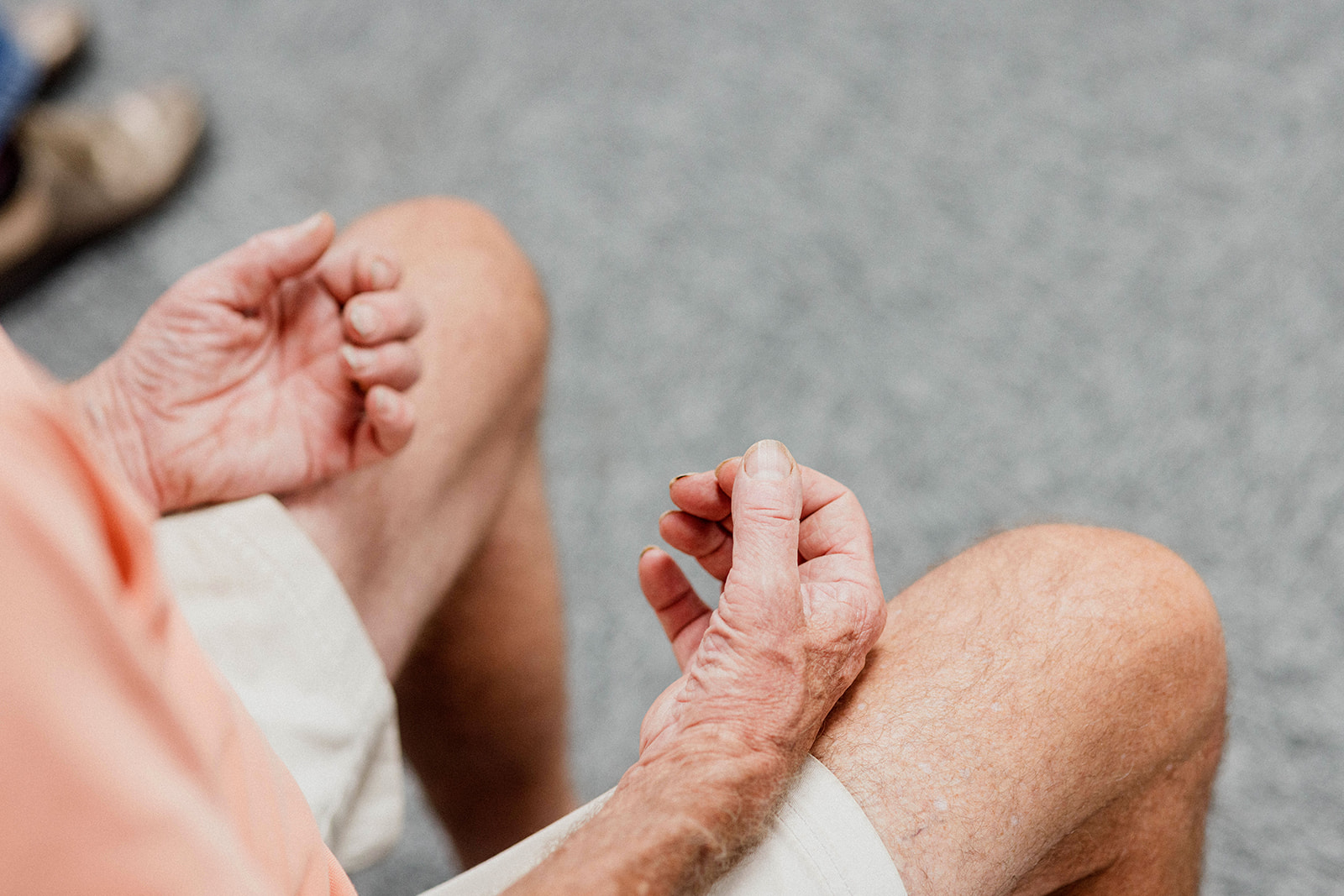
At BNHF, we provide free, inclusive mindful movement classes to communities who need them most but are least likely to access them. These sessions do not, of course, remove systemic inequalities. They do, however, give people some agency over their health, empowering them with the tools to heal their nervous system and move their bodies with renewed confidence.
For some, brief respite from a difficult week is enough. For others, such as J who attends our class for survivors of sexual abuse, the effects are more profound: “(these classes) have really created a huge shift in my day to day, and I now know that the calm, joy and safety I want to feel in my life is possible and achievable.”
Stories like this show us that true wellness isn’t something you pluck from a shelf – but is created in welcoming, kind and supportive communities.